



Carpet Tiles for Modern Interiors
Overview
Why Carpet Tiles Are a Popular Flooring Choice
Modular Installation
Tiles can be installed and replaced individually, making them practical for offices, retail spaces and active interiors.
Durable for Daily Use
Carpet tiles are well suited to Malaysia’s commercial environments where durability and low maintenance matter.
Flexible in Design
Different materials, sizes, colours and patterns make them adaptable to a wide range of interior styles and functions.
Types of Carpet Tiles
Main Carpet Tile Options in Malaysia
HIGHT TRAFFIC
Nylon Carpet Tiles
Known for durability, resilience and stain resistance, making them ideal for offices and other high-traffic commercial areas.
AFFORDABLE
Polypropylene Carpet Tiles
A more budget-friendly option suited to moderate-use areas such as bedrooms, lounges and lighter-use interiors.
PREMIUM
Wool Carpet Tiles
Luxurious underfoot, naturally flame-resistant and insulating, but typically priced higher than synthetic options.
LAYER 04
Recycled Carpet Tiles
Made from repurposed materials to support sustainability goals without sacrificing quality or design flexibility.
History
The History of Carpet Tiles
Manufacturing
How Carpet Tiles Are Made
01
Dyeing
Yarns are dyed using methods such as piece dyeing or solution dyeing to achieve the desired profile.
02
Tufting
Yarn made from nylon, polypropylene or wool is stitched into the primary backing material.
03
Backing
PVC or bitumen backing is applied to give each tile structure, stability and dimensional integrity.
04
Cutting
Large carpet rolls are cut into square or rectangular tile formats for modular installation.
05
Finishing
Tiles are inspected and finished to ensure they meet performance and quality requirements.
Construction
Three Key Layers of Carpet Tile Construction
Pile
The top surface layer that defines the tile’s texture and appearance. It can be looped, cut or a combination of both.
Primary Backing
The foundation that secures the pile and provides base support, often enhanced with EVA pre-coat for yarn adhesion.
Secondary Backing
Usually PVC or bitumen, with added fibreglass for stability, helping the tile maintain shape and long-term performance.
How to Choose
Choosing the Right Carpet Tiles
TRAFFIC LEVEL
Match Use Intensity
For hallways and offices, durable materials like nylon are better suited to heavy daily foot traffic.
AESTHETICS
Fit the Interior
Choose colours, patterns and textures that work with your space and reinforce the design direction.
BUDGET
Balance Cost & Value
Higher quality tiles may cost more upfront but can reduce long-term replacement and maintenance expenses.
INSTALLATION
Choose the Right Method
Glue-down and loose-lay methods offer different benefits depending on subfloor condition and future flexibility needs.
Malaysia Market
Carpet Tiles in Malaysia
6.2%
Projected Malaysia CAGR
USD 4,769.2M
Global market value in 2023
USD 6,386M
Projected global market by 2030
4.3%
Projected global CAGR
Urban Adoption
Demand is strongest in urban developments and office environments where modular flooring offers practical maintenance advantages.
Climate Fit
Malaysia’s humid and rainy conditions make carpet tiles appealing because they resist moisture better and are easier to clean.
Sustainability
Adoption of recyclable and recycled carpet tile systems continues to grow in environmentally-conscious projects and green buildings.
Quality Guide
How to Tell the Quality of Carpet Tiles
Face Weight
A higher face weight usually indicates a denser and more durable tile that can better handle high-traffic applications.
Tuft Twist
More tightly twisted fibres improve resilience and help the tile maintain texture and appearance over time.
Backing Quality
PVC backing supports flexibility and moisture resistance, while bitumen backing offers strong dimensional stability in heavy-duty spaces.
| Type | Price Range | Best For | Strength | Note |
|---|---|---|---|---|
| Nylon Carpet Tiles | RM 7 – RM 20 | Offices | Durability | Strong option for high-traffic use |
| Polypropylene Carpet Tiles | RM 4 – RM 10 | Bedrooms / Lounges | Affordability | Suitable for moderate traffic |
| Wool Carpet Tiles | RM 30 – RM 50 | Premium Interiors | Comfort | Higher price point |
| Recycled Carpet Tiles | RM 15 – RM 30 | Sustainable Projects | Eco Value | Supports environmental goals |
Installation Patterns
Different Ways to Lay Carpet Tiles
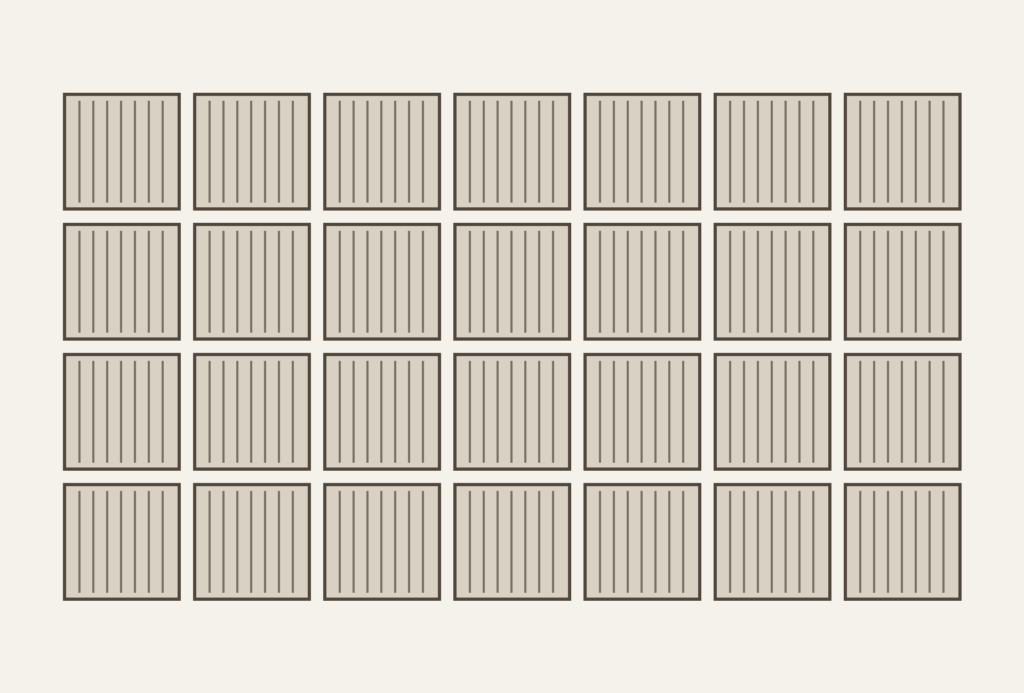
- Uniform
Monolithic
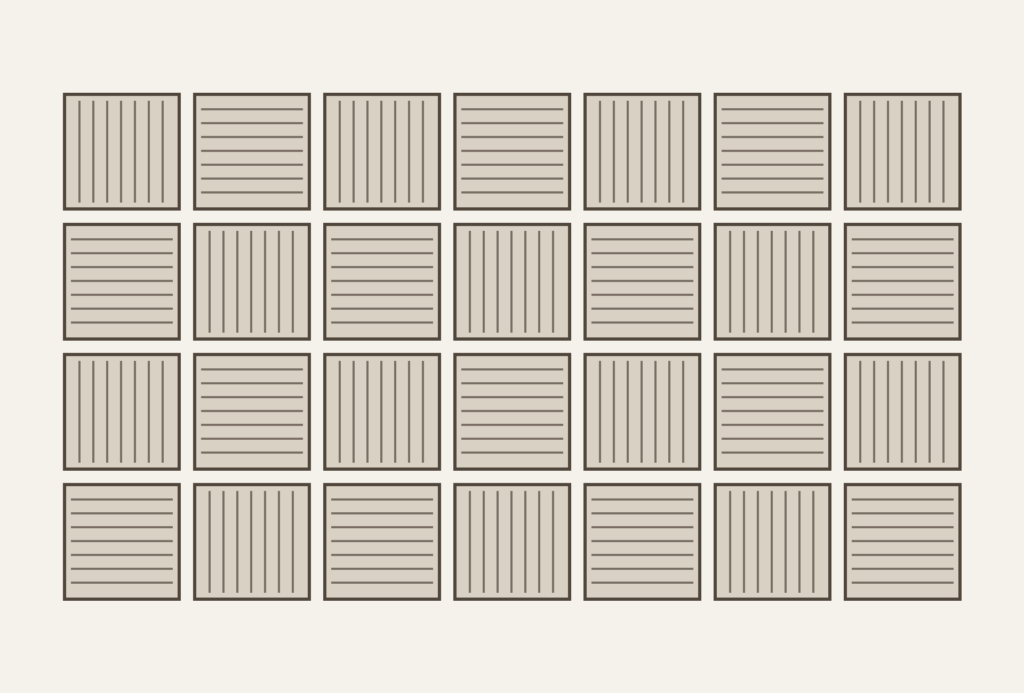
- Checkerboard Effect
Quarter-Turn
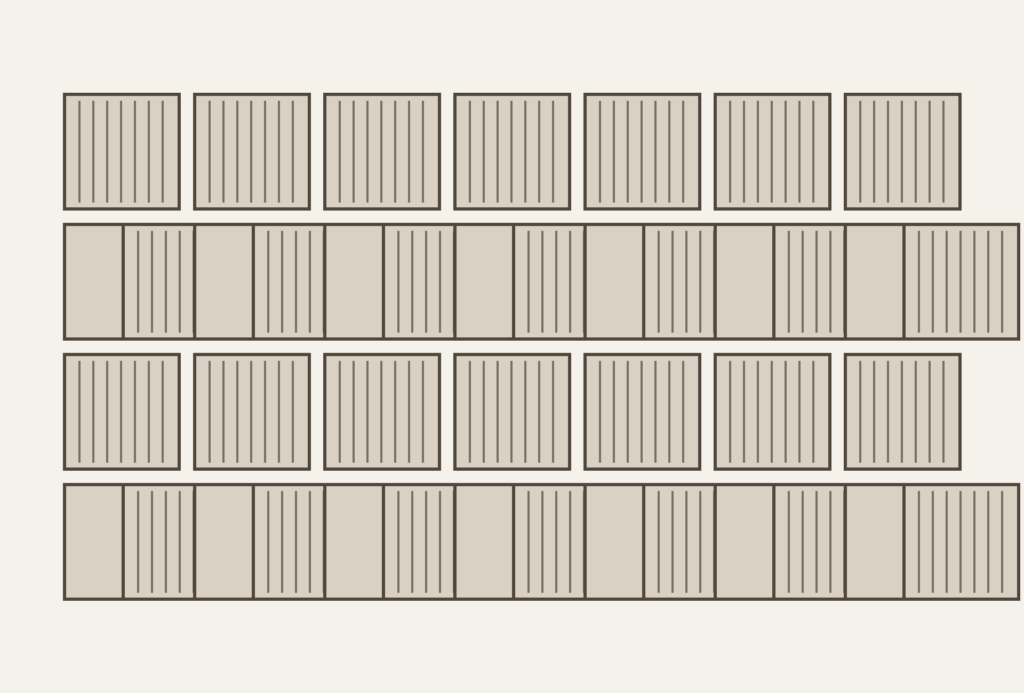
- Offset Layout
Brick
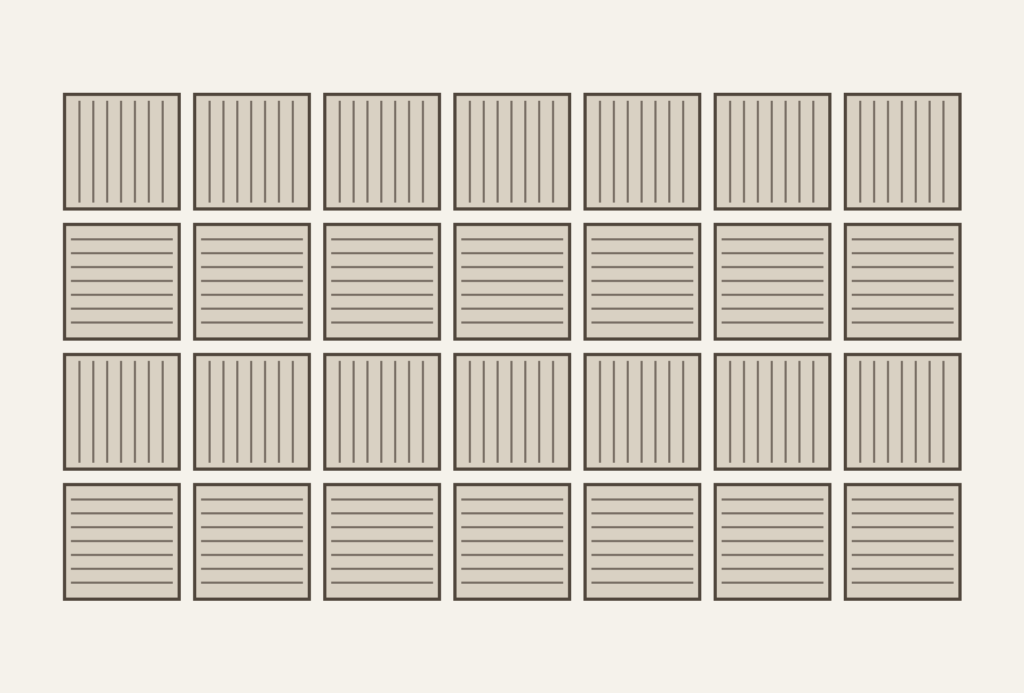
- Structured Offset
Ashlar
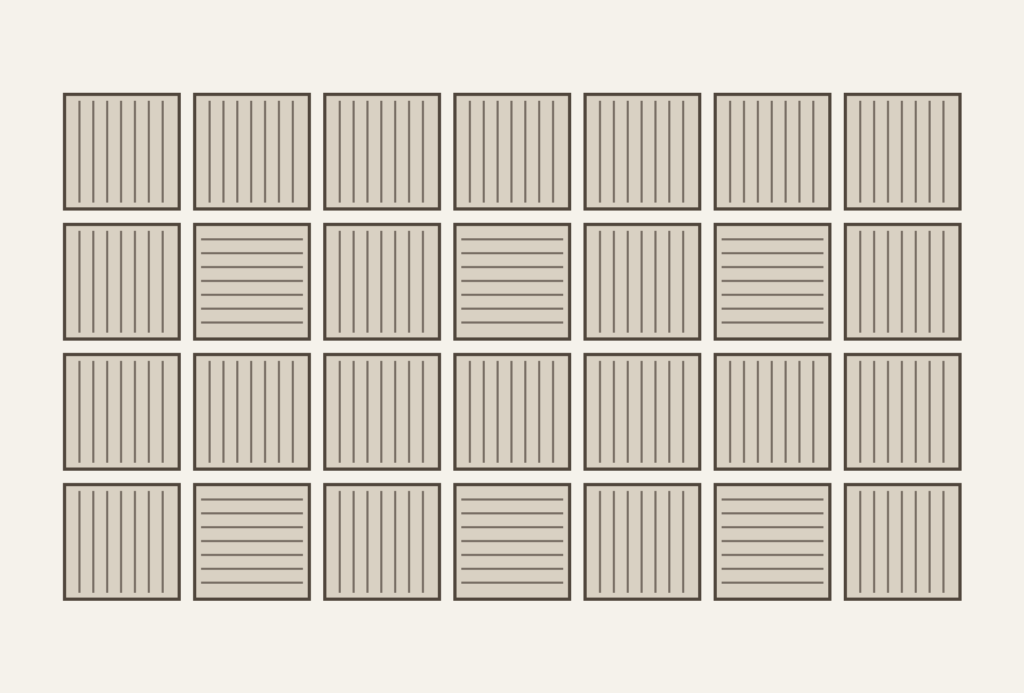
- Abstract
Random
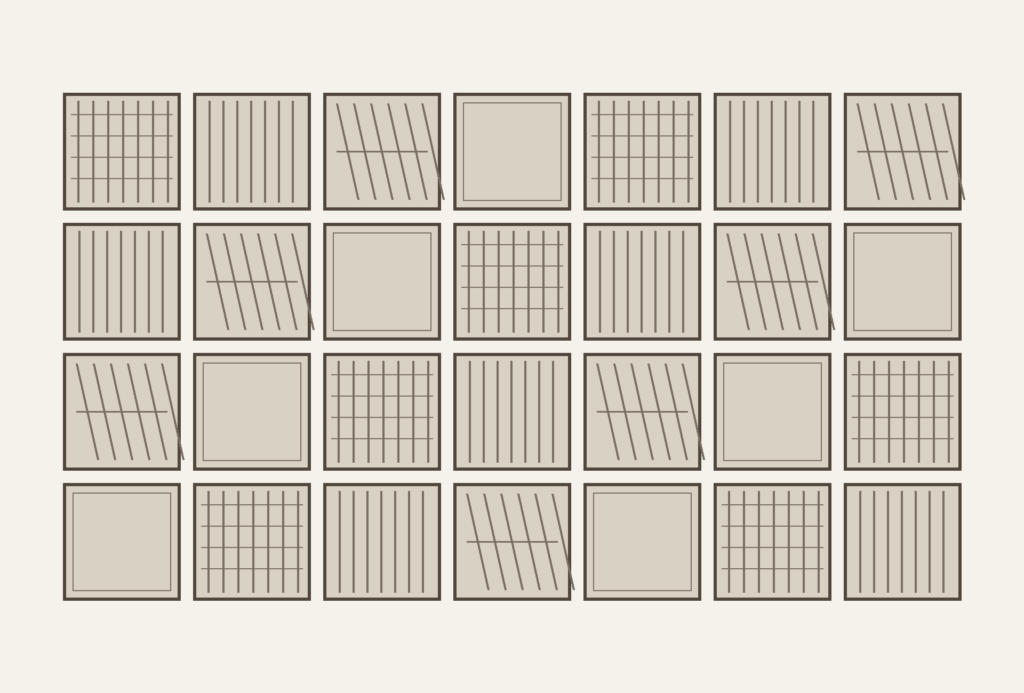
- Office Designs
Popular Office Styles
Comparison
Carpet Tiles vs Broadloom Carpet vs Rugs
| Aspect | Carpet Tiles | Broadloom Carpet | Rugs | Best Use |
|---|---|---|---|---|
| Installation | Easy and quick with minimal waste | Requires professional installation | Simple to lay down | Tiles for fast upgrades |
| Customization | High, with mix-and-match possibilities | Limited to preset patterns and sizes | Available in many sizes and designs | Tiles for creative layouts |
| Maintenance | Individual tiles can be replaced | Whole area usually needs repair | Easy to clean and replace | Tiles for practical upkeep |
| Durability | Highly durable in high-traffic areas | Durable but can wear in busy areas | Varies by material | Tiles for commercial use |
| Flexibility | Suitable for permanent or temporary spaces | Best for permanent installations | Easy to move around | Rugs for mobility |
Best Use Areas
Spaces Suited for Carpet Tiles
Offices
Ideal for high-traffic workspaces where comfort and noise reduction improve day-to-day use.
Conference Rooms
Adds visual polish while supporting acoustic and thermal comfort.
Home Theaters
Enhances acoustics and supports a more comfortable interior atmosphere.
Retail & Schools
Durable enough for busy retail zones and soft enough for safe, comfortable learning spaces.
Sustainability
Eco-Friendly Carpet Tile Options
Recycled Materials
Many sustainable products are made using recycled content to reduce environmental impact.
Recyclable End-of-Life
Some systems are designed to be recycled when they reach the end of their usable life cycle.
Green Building Relevance
Sustainable carpet tiles are increasingly specified for projects with environmental targets and certifications.
Installation Guide
How Carpet Tiles Are Made
01
Dyeing
Yarns are dyed using methods such as piece dyeing or solution dyeing to achieve the desired profile.
02
Tufting
Yarn made from nylon, polypropylene or wool is stitched into the primary backing material.
03
Backing
PVC or bitumen backing is applied to give each tile structure, stability and dimensional integrity.
04
Cutting
Large carpet rolls are cut into square or rectangular tile formats for modular installation.
05
Finishing
Tiles are inspected and finished to ensure they meet performance and quality requirements.
Installation Guide
How to Install Carpet Tiles
GUIDE TIP 01
Preparation
Inspect the floor, remove dirt, ensure it is dry and level, and remove old flooring if needed.
GUIDE TIP 02
Planning
Measure the room, choose the installation pattern and mark the room centre with chalk lines.
GUIDE TIP 03
Laying Tiles
Start at the centre and install outward, maintaining alignment and pattern consistency.
GUIDE TIP 04
Cutting
Measure edges carefully and cut tiles from the back with a utility knife and straightedge.
GUIDE TIP 05
Inspection
Check for gaps or misalignment and press tiles down firmly for proper adhesion.
GUIDE TIP 06
Finishing
Trim excess material and clean the surface to complete the installation professionally.
Maintenance Tips
How to Maintain Carpet Tiles
| Aspect | Carpet Tiles | Broadloom Carpet | Rugs | Best Use |
|---|---|---|---|---|
| Installation | Easy and quick with minimal waste | Requires professional installation | Simple to lay down | Tiles for fast upgrades |
| Customization | High, with mix-and-match possibilities | Limited to preset patterns and sizes | Available in many sizes and designs | Tiles for creative layouts |
| Maintenance | Individual tiles can be replaced | Whole area usually needs repair | Easy to clean and replace | Tiles for practical upkeep |
| Durability | Highly durable in high-traffic areas | Durable but can wear in busy areas | Varies by material | Tiles for commercial use |
| Flexibility | Suitable for permanent or temporary spaces | Best for permanent installations | Easy to move around | Rugs for mobility |
Featured
Featured Carpet Tiles Collection
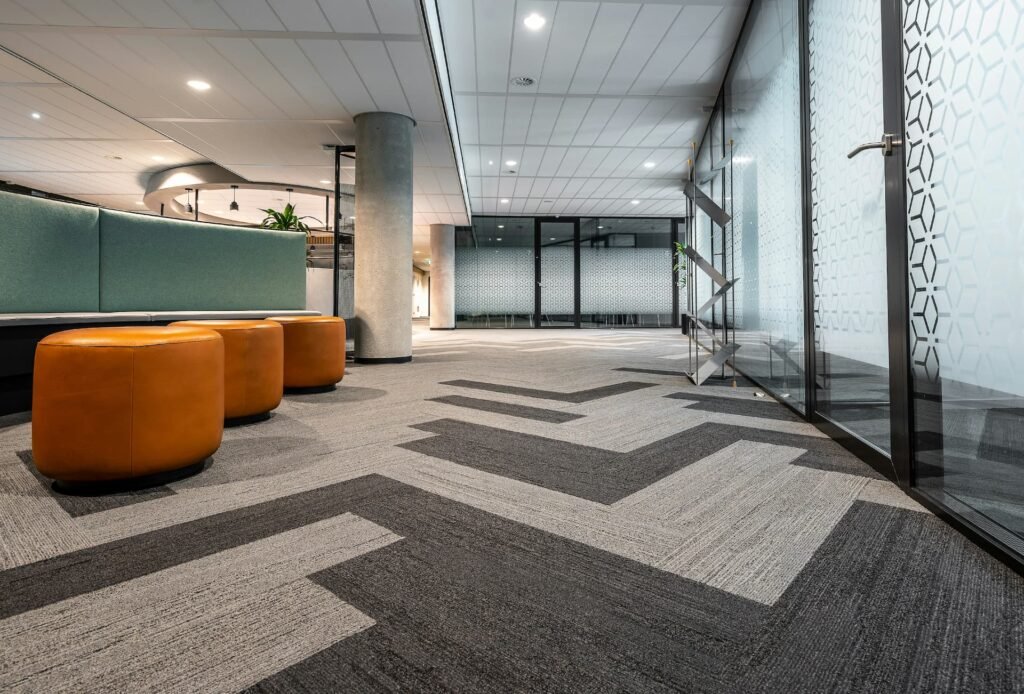
- Commercial Flooring
PP Carpet Tiles
- Best for: Offices, meeting rooms, retail spaces
- Material: Polypropylene
- Key benefit: Cost-effective and easy to maintain
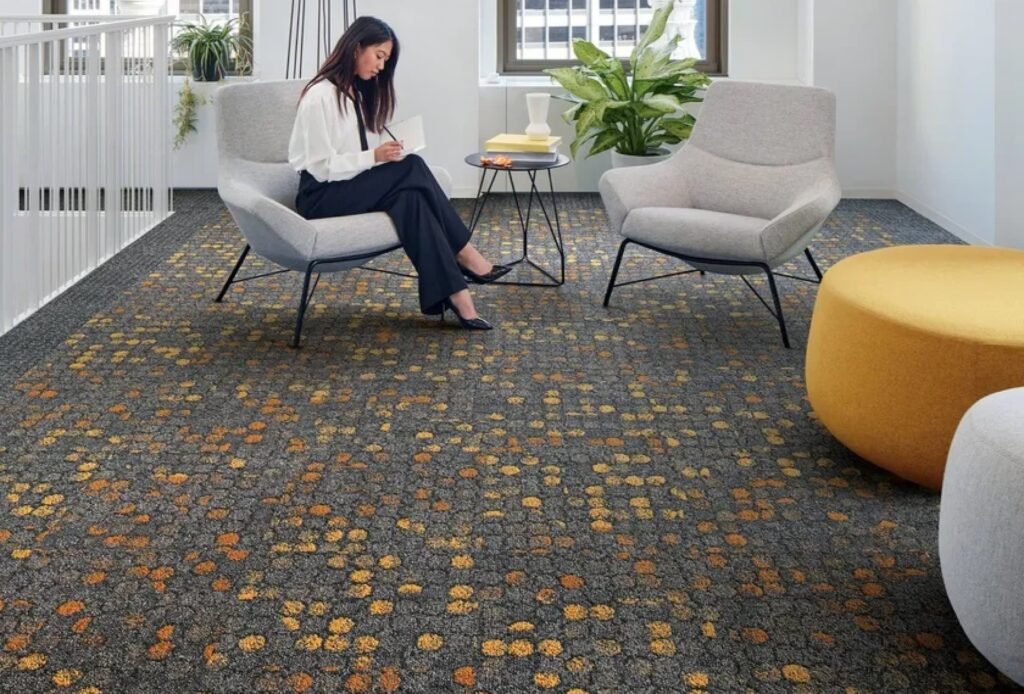
- Commercial Carpet
Nylon Carpet Tile
- Best for: Corporate spaces, hospitality, circulation areas
- Material: Nylon
- Key benefit: Durable, resilient and traffic-friendly
Reach out to us
Contact our experts for the latest in-stock carpet tiles collection

FAQ
Frequently Asked Questions
How do I choose the right carpet tile design?
Can I install carpet tiles myself?
How do I clean carpet tiles?
Do carpet tiles need to be glued?
What is the lifespan of SPC flooring?
How do I install carpet tiles with adhesive?
To install carpet tiles with adhesive in Malaysia, follow these steps:
Prepare the Surface: Ensure the floor is clean, dry, and level. Remove any old flooring or debris.
Apply Adhesive: Use a suitable carpet tile adhesive. Spread a thin layer evenly across the area where the tiles will be laid. Allow the adhesive to become tacky before laying the tiles.
Lay the Tiles: Start from the center of the room, laying tiles outward. Press each tile firmly into the adhesive to ensure a good bond.
Cut and Fit: For edges and corners, measure and cut the tiles as needed to fit the space.
Final Inspection: After laying all the tiles, check for any gaps or misalignments. Adjust as necessary and allow the adhesive to set for the recommended time before using the space.
