


Vinyl Flooring in Malaysia
Overview
What is Vinyl Flooring?
Multiple Product Forms
Available as sheets, tiles and planks, each with different installation methods and aesthetic outcomes.
Natural Material Look
Can realistically replicate wood, stone or ceramic while remaining practical for everyday use.
Built for Daily Performance
A quality vinyl flooring profile includes protective layers for wear resistance, stability and water resistance.
Layer Profile
What Makes Up Quality Vinyl Flooring
LAYER 01
Coating Layer
Typically includes antibacterial coating, MicroCeramic protection and UV curing to reduce fading from direct sunlight.
LAYER 02
Wear Layer
At least 0.3 mm thick to protect against scratches, fading and wear from daily use.
LAYER 03
Design Layer
Printed with textures, patterns and colours that create the floor’s final appearance.
LAYER 04
Balance Layer
Improves dimensional stability for temperature changes and supports better sound absorption.
LAYER 05
Base Layer
The bottom layer touching the subfloor, designed to be impermeable and water resistant.
History
When Was Vinyl Flooring Invented?
Why Vinyl Flooring?
Why Vinyl Flooring Remains a Popular Choice
Durability
Resists scratches, dents and stains in high-traffic areas.
Affordability
Offers a high-end look at a more accessible price point than natural materials.
Easy Maintenance
Simple to keep clean with regular sweeping and occasional mopping.
Water Resistance
Useful in dry kitchens, pantries and restaurant settings where moisture is present.
Design Variety
Available in many finishes that replicate wood, stone and tile looks.
Malaysia Market
Vinyl Flooring Malaysia: What You Need to Know
Strong Growth
The Malaysia PVC flooring market is projected to grow significantly through 2031, driven by demand for practical and stylish interiors.
Climate Fit
Malaysia’s humidity and occasional heavy rainfall make water-resistant flooring options especially attractive.
Changing Preferences
Consumer tastes continue to shift with modern design trends, cultural influences and economic conditions.
Quality Guide
How to Tell the Quality of Vinyl Flooring
Thickness
Thicker vinyl generally offers greater durability, comfort and insulation for busy areas.
Wear Layer
A thicker wear layer improves scratch, stain and wear resistance. Good products often start at 0.3 mm.
Certifications
Independent certifications such as FloorScore and ISO indicate better emissions and manufacturing standards.
Finish
Better finishes create more realistic textures and provide extra protection against scuffs and marks.
Price Guide
General Vinyl Flooring Price Comparison
| Type of Vinyl Flooring | Price Range (Per Square Feet) |
|---|---|
| Vinyl Sheets | RM2.50 – RM7.00 |
| Vinyl Tiles | RM4.50 – RM9.00 |
| Luxury Vinyl Planks | RM5.50 – RM12.00 |
| High-End Designer Vinyl | RM12.00 – RM15.00 |
Installation Methods
Different Types of Vinyl Flooring Installation
| Method | Description | Advantages | Considerations |
|---|---|---|---|
| Glue-Down | Vinyl sheets or tiles are glued directly to the subfloor. | Stability and security, high durability, professional finish. | Requires precise subfloor preparation and is best handled by professionals. |
| Click-Lock | Vinyl planks click and lock together to create a floating floor. | Easy and quick installation, suitable for DIY, damaged planks can be replaced easily. | May require underlayment for cushioning and noise reduction. |
| Loose Lay | Vinyl flooring is laid without adhesive, relying on friction and weight. | Simple installation, ideal for temporary or semi-permanent use, minimal subfloor prep. | Best for small areas or low-traffic spaces. |
| Peel-and-Stick | Self-adhesive vinyl tiles stick directly to the subfloor. | DIY-friendly, cost-effective and quick to install. | Subfloor must be clean and smooth for proper adhesion. |
DIY Guide
How to DIY Vinyl Flooring Installation
01
Preparation
Remove old flooring, clean the subfloor thoroughly and use leveling compound to smooth uneven spots before installation.
02
Measurement
Measure the room, add extra material for mistakes and repairs, then cut the vinyl to approximate size.
03
Installation
Follow the correct process for glue-down, click-lock, loose lay or peel-and-stick depending on product type.
04
Finishing
Trim excess material, install baseboards or trim, then clean the surface and allow adhesives to cure if applicable.
Designs
Popular Vinyl Flooring Designs
Wood Look
The Malaysia PVC flooring market is projected to grow significantly through 2031, driven by demand for practical and stylish interiors.
Stone Look
Replicates stone or ceramic surfaces for a sophisticated and elegant appearance.
Changing Preferences
Consumer tastes continue to shift with modern design trends, cultural influences and economic conditions.
Pros & Cons
Benefits and Drawbacks of Vinyl Flooring
Benefits
- Durable and resistant to daily wear and tear.
- Water resistant for moisture-prone spaces.
- Comfortable underfoot compared with harder materials.
- Low maintenance and easy to clean.
- Affordable compared with many natural flooring finishes.
- Available in many colours, patterns and styles.
Drawbacks
- Can be prone to scratches and dents from heavy furniture or sharp objects.
- Colours may fade with prolonged direct sunlight exposure.
- Made from synthetic materials, which may raise environmental concerns.
- Poor installation can lead to visible seams or lifting edges.
Best Use Areas
Areas and Spaces Suited for Vinyl Flooring
Living Rooms
Comfortable underfoot, easy to maintain and available in many styles that suit living spaces.
Kitchens
Water resistance, durability and easy cleaning make vinyl a practical kitchen flooring option.
Bedrooms
Soft, warm and quieter underfoot while still offering many stylish design finishes.
Commercial Spaces
Durable, low maintenance and versatile enough for offices and healthcare environments.
Comparison Table
Comparison of LVT with Other Flooring Types
| Method | Description | Advantages | Considerations |
|---|---|---|---|
| Glue-Down | Vinyl sheets or tiles are glued directly to the subfloor. | Stability and security, high durability, professional finish. | Requires precise subfloor preparation and is best handled by professionals. |
| Click-Lock | Vinyl planks click and lock together to create a floating floor. | Easy and quick installation, suitable for DIY, damaged planks can be replaced easily. | May require underlayment for cushioning and noise reduction. |
| Loose Lay | Vinyl flooring is laid without adhesive, relying on friction and weight. | Simple installation, ideal for temporary or semi-permanent use, minimal subfloor prep. | Best for small areas or low-traffic spaces. |
| Peel-and-Stick | Self-adhesive vinyl tiles stick directly to the subfloor. | DIY-friendly, cost-effective and quick to install. | Subfloor must be clean and smooth for proper adhesion. |
Maintenance Tips
How to Maintain Vinyl Flooring Properly
Regular Cleaning
Sweep or vacuum regularly and mop occasionally using a damp mop with a mild cleaning solution.
Avoid Harsh Chemicals
Use cleaning products made specifically for vinyl flooring to avoid damaging the finish.
Prevent Surface Damage
Use furniture pads, reduce direct sunlight exposure and wipe up spills immediately.
Featured
Featured Carpets & Rugs Collection
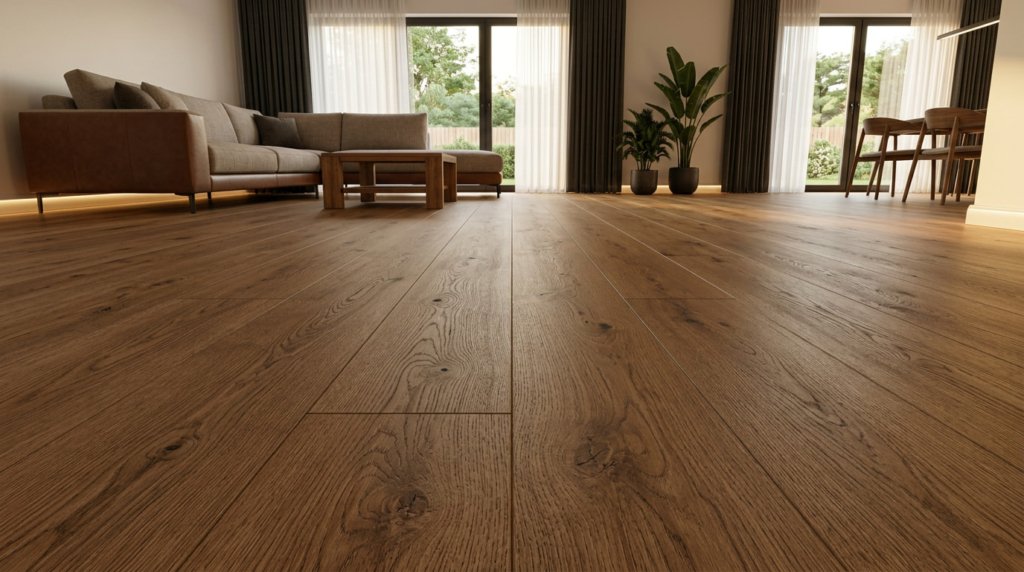
- Wood Look Vinyl
Warm Residential Finishes
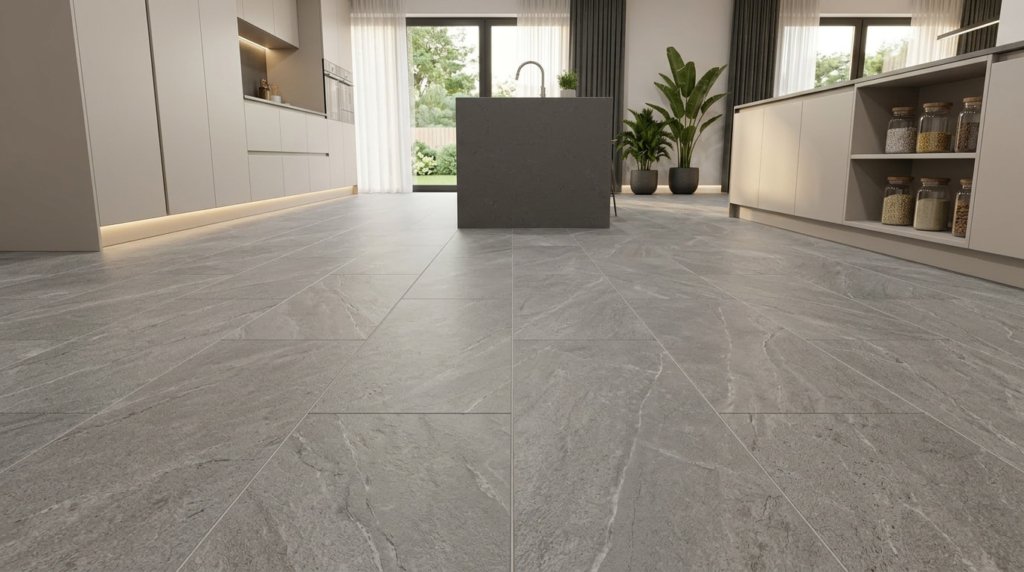
- Stone Look Vinyl
Clean Contemporary Appeal
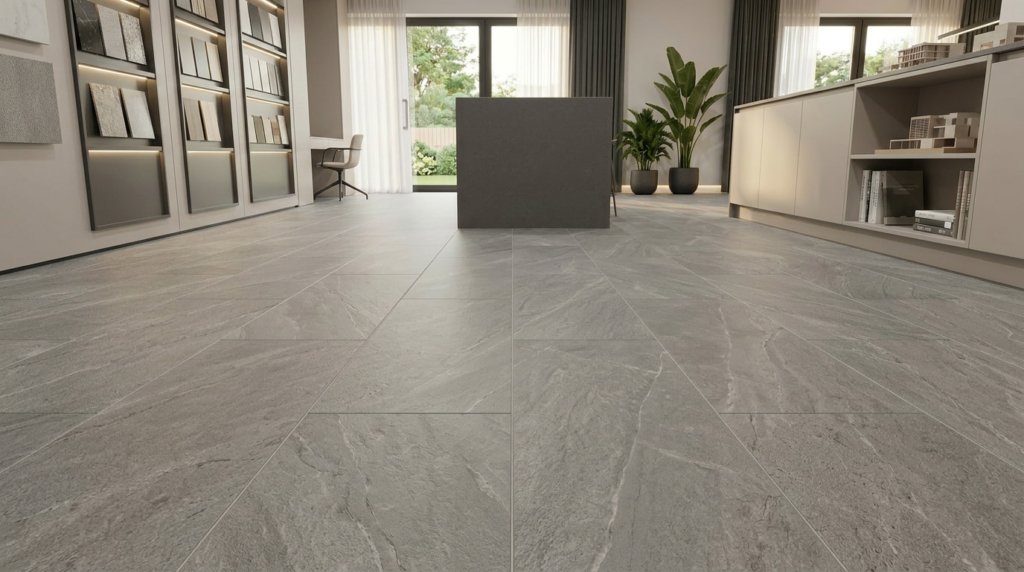
- Designer Vinyl
Amazon Motif Rugs
Reach out to us
Contact our experts for our latest in-stock Vinyl Flooring collection